

Address:
5610 E. 2nd St.
Long Beach, CA 90803

Why Your Child’s Myopia Needs More Than Stronger Glasses
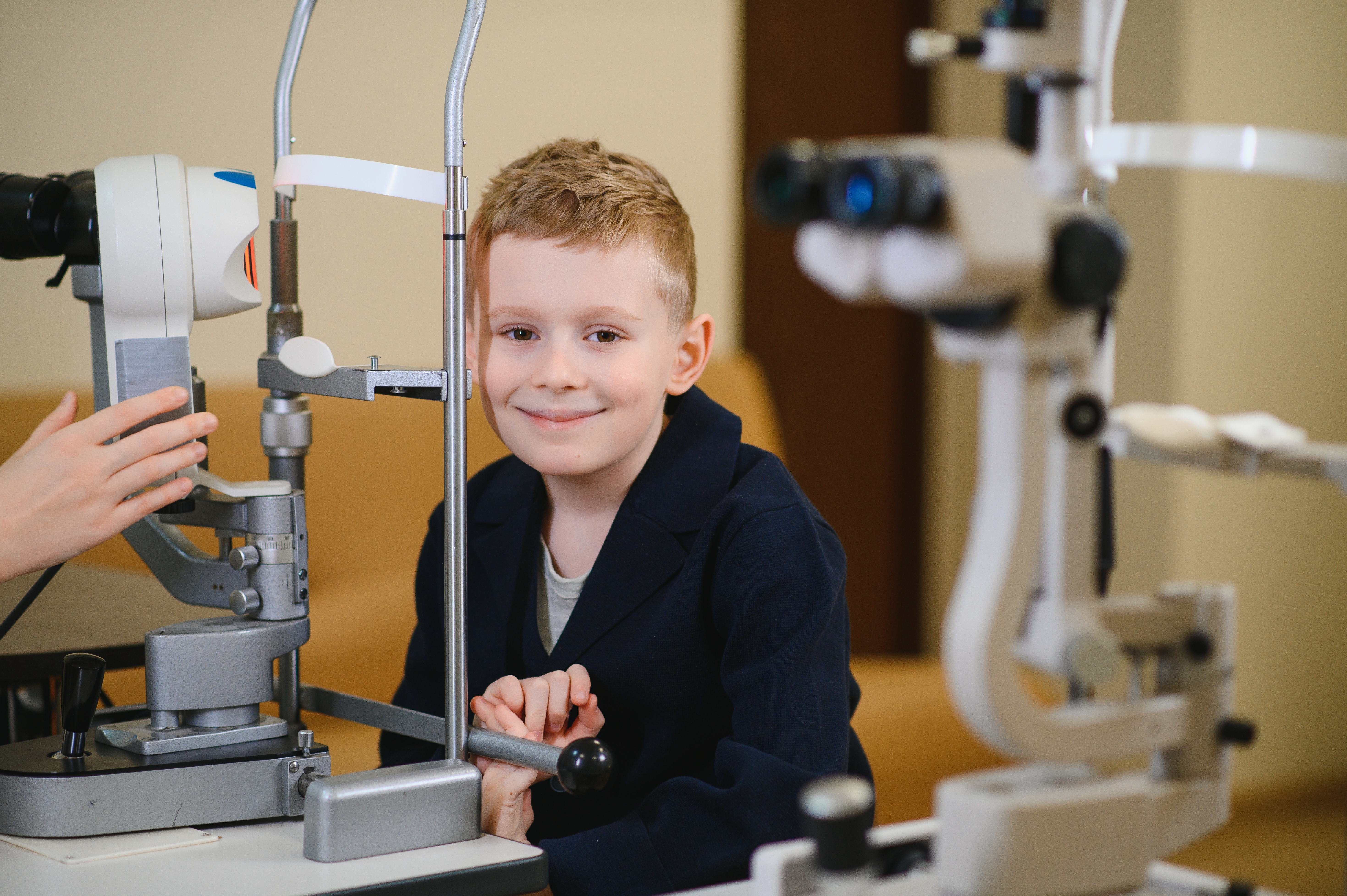
When a child has trouble seeing the board at school or recognizing objects across a room, a stronger glasses prescription may improve clarity. But if nearsightedness, also called myopia, continues to progress, correcting blurry vision is only part of the conversation. At Long Beach Vision Center in Long Beach, California, we help families understand the difference between seeing clearly today and considering ways to slow future prescription changes.
Clearer Vision and Myopia Management Have Different Goals
Myopia occurs when light focuses in front of the retina rather than directly on it, often because the eye has grown longer than needed for clear distance vision. Glasses or contact lenses can bring distant objects into focus, making activities like classroom learning and sports easier to navigate.
Dedicated myopia management has a different aim: slowing progression when appropriate. A stronger standard prescription can correct increased distance blur, but that change alone is not the same as a treatment intended to slow myopia. Progression matters because higher levels of myopia are associated with greater risks of certain eye health problems later in life.
Understanding Your Child’s Individual Needs
Children do not all develop myopia at the same age or follow the same pattern. We consider your child's current prescription, previous changes, age, family history, daily visual demands, and overall eye health. A comprehensive evaluation also helps us look for concerns that might influence the recommended approach.
Where available and clinically appropriate, measurements related to eye growth may add information about progression. They are not automatically required for every child, and no single measurement tells the whole story. Reviewing changes over time often gives us a more useful picture than looking at one pair of glasses in isolation.
Exploring Myopia Management Options
Depending on a child's examination findings and circumstances, possible approaches may include specialized spectacle lenses, certain contact lens designs, or prescription eye drops. Each option has different considerations involving suitability, comfort, responsibilities, and follow-up care. We discuss which approaches may fit your child rather than assuming every treatment is appropriate or available for every situation.
The goal is to make a well-informed, personalized plan. No method guarantees that myopia will stop progressing, and a child does not necessarily need multiple treatments at once.
Questions to Bring to Your Child’s Appointment
Parents can help us make the visit more productive by sharing:
- Current glasses, previous prescriptions, and when changes were noticed.
- Family history of nearsightedness or other significant eye conditions.
- School, reading, screen, and outdoor routines.
- Complaints about distance blur, squinting, headaches, or visual discomfort.
- Questions about possible management approaches and daily responsibilities.
- Concerns about comfort, treatment adherence, and how progress will be reviewed.
Why Follow-Up Visits Still Matter
Myopia management is an ongoing process rather than a one-time prescription decision. Follow-up visits allow us to review vision, eye health, comfort, adherence to the plan, and signs of progression. Recommendations may change as your child grows or as their needs become clearer. Seeing sharply with current glasses or contacts does not, by itself, demonstrate that progression has stopped.
Time outdoors and regular breaks from prolonged near work can complement a personalized plan, though neither cures myopia. If contact lenses are part of your child's care, follow the instructions for that exact lens type. Never sleep in ordinary daytime-wear contacts. Remove lenses and seek prompt care for eye pain, redness, or new blur. Sudden vision loss requires emergency evaluation.
To discuss your child's changing prescription and myopia management options, contact Long Beach Vision Center in Long Beach, California, at (562) 434-7775. We're here to help your family plan the next steps.
office hours
- Monday9:00am - 5:30pm
- Tuesday9:00am - 5:30pm
- Wednesday9:00am - 5:30pm
- Thursday9:00am - 5:30pm
- Friday9:00am - 5:30pm
- SaturdayClosed
- SundayClosed
© 2026 Long Beach Vision Center. All rights Reserved. Accessibility Statement | Privacy Policy | Sitemap
Managed and Designed By
