



Address:
5610 E. 2nd St.
Long Beach, CA 90803

Is It Allergies Or Dry Eye? How To Tell The Difference This Spring In Long Beach
Is It Allergies Or Dry Eye? How To Tell The Difference This Spring In Long Beach
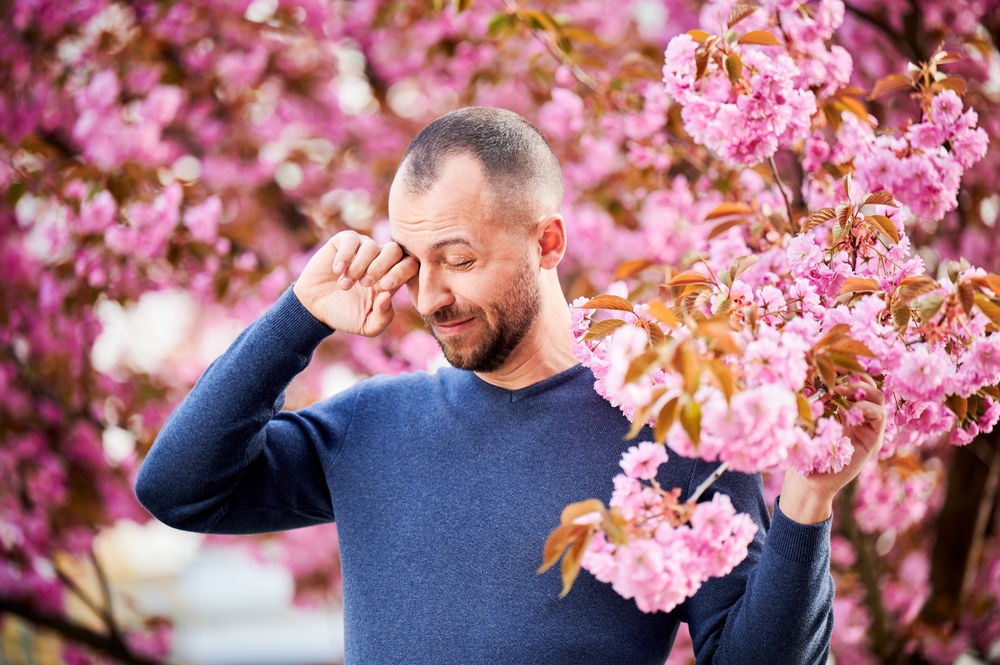
Spring in Long Beach can be beautiful, but it can also bring irritated eyes. Pollen, ocean air, wind, and more time outdoors can all leave your eyes feeling red, gritty, watery, or uncomfortable. The tricky part is that seasonal allergies and dry eye can feel similar, but they are not always treated the same way. Understanding the difference can help you know when to use simple at-home care and when it is time to schedule an eye exam.
Why Spring Can Trigger Eye Irritation
During spring, airborne allergens like pollen can affect the surface of the eyes. When your eyes react to allergens, they may become itchy, red, swollen, or watery. Long Beach weather can also play a role. Wind, sun exposure, and dry or salty air may cause tears to evaporate faster, which can make dry eye symptoms more noticeable.
For some people, both issues happen at the same time. Allergies can inflame the eyes, while dry eye can make the surface more sensitive to allergens and environmental changes.
Common Signs of Eye Allergies
Eye allergies often cause itching as the main symptom. You may feel like rubbing your eyes, especially after being outside, around plants, or near dust and pet dander. The eyes may look red or puffy and may water more than usual.
Allergies also tend to affect both eyes at the same time. If you also have sneezing, a runny nose, or sinus congestion, allergies may be a likely cause of your symptoms.
Common Signs of Dry Eye
Dry eye often feels more gritty, burning, or tired than itchy. Some people describe it as feeling like sand is in their eyes. Others notice blurry vision that comes and goes, especially after reading, working on a computer, driving, or being outside in windy conditions.
Dry eye can also cause watery eyes. This may seem surprising, but when the eyes are irritated, they may produce reflex tears that do not fully solve the dryness.
Key Differences to Watch For
While only an eye exam can confirm the cause, these clues may help you tell the difference:
• Itching is more common with allergies
• Burning, stinging, or grittiness is more common with dry eye
• Sneezing or nasal symptoms often point toward allergies
• Blurry vision that improves after blinking may point toward dry eye
• Symptoms after screen use, reading, or wind exposure may suggest dry eye
• Puffy eyelids and clear watery discharge may happen with allergies
When Eye Irritation Needs an Eye Exam
Using the wrong eye drops can sometimes make symptoms worse. For example, redness-relief drops may temporarily make eyes look clearer, but they do not treat the underlying cause. Some allergy drops may not help dry eye, and some dry eye symptoms may need more than basic artificial tears.
If your eyes stay red, gritty, itchy, watery, or uncomfortable, a comprehensive eye exam can help determine whether allergies, dry eye, contact lens irritation, infection, or another issue is involved.
Get Personalized Eye Care in Long Beach
At Dr. Lisa Hopkins’ office, we can evaluate your eye health, check the surface of your eyes, review your symptoms, and recommend care based on what is actually causing the irritation. Treatment may include lubricating eye drops, allergy eye drops, eyelid care, contact lens adjustments, or additional medical eye care when needed.
Schedule an eye exam with Dr. Lisa Hopkins - Long Beach Optometry and Eye Care to find out whether your spring eye irritation is caused by allergies, dry eye, or another concern affecting your comfort and vision. Contact our office in Long Beach, CA by calling (562) 434-7775 to book an appointment today.

office hours
- Monday9:00am - 5:30pm
- Tuesday9:00am - 5:30pm
- Wednesday9:00am - 5:30pm
- Thursday9:00am - 5:30pm
- Friday9:00am - 5:30pm
- SaturdayClosed
- SundayClosed
© 2026 Long Beach Vision Center. All rights Reserved. Accessibility Statement | Privacy Policy | Sitemap
Managed and Designed By
